7 Jun 2026
Adaptive Refresh Synchronization Protocols Reshaping Input Latency Profiles Across Wireless Peripherals in Team-Based Digital Competitions
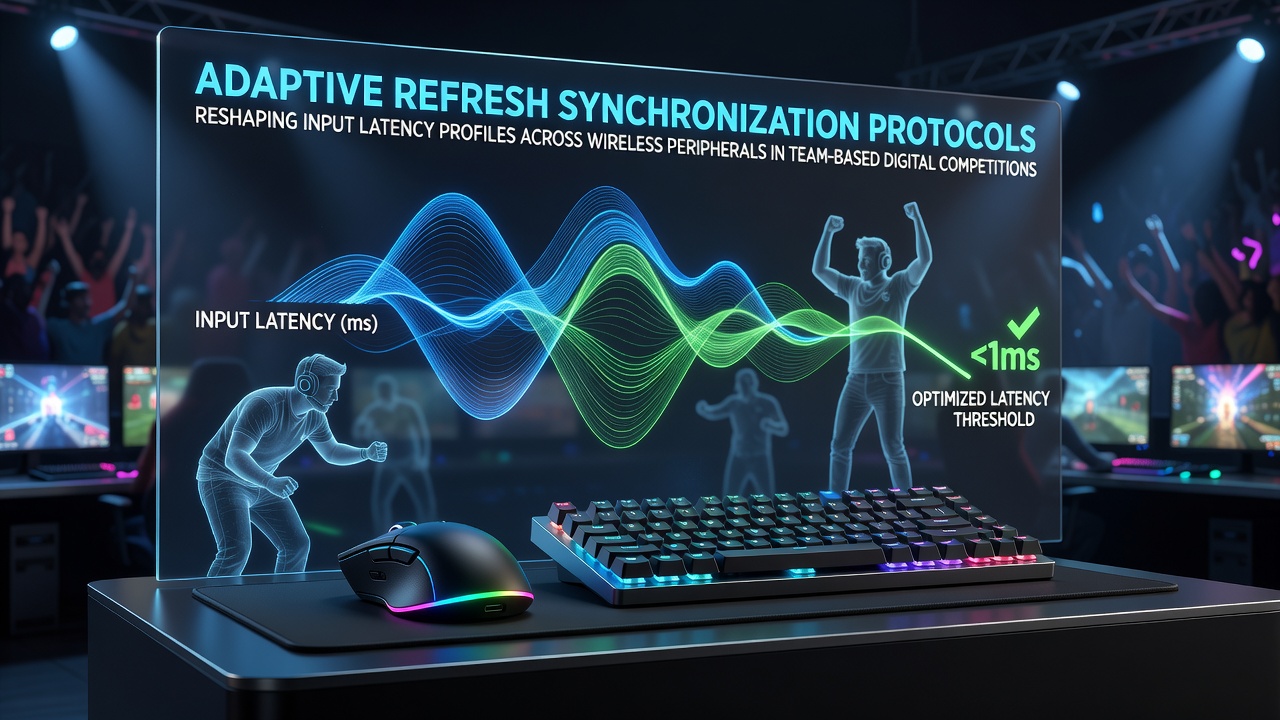
Adaptive refresh synchronization protocols coordinate display refresh rates with the polling intervals of wireless input devices, and this coordination produces measurable reductions in input latency during team-based digital competitions. Researchers have documented how these protocols adjust signal timing between peripherals and host systems to align data transmission windows with vertical blanking intervals on connected displays, which minimizes buffering delays that accumulate in multiplayer environments.
Core Mechanisms Behind Protocol Implementation
Wireless mice and keyboards equipped with adaptive synchronization transmit sensor data at variable rates that match the current refresh cycle of the display, and this matching occurs through firmware-level negotiations between the peripheral and the receiver module. Data from competitive play sessions shows that fixed polling at 1000 Hz often collides with frame rendering boundaries, whereas synchronized adjustments shift polling peaks to occur immediately after each refresh, and such shifts cut average end-to-end latency by 3 to 7 milliseconds according to controlled tests conducted in 2025.
Teams participating in organized leagues began integrating these protocols into training regimens after firmware updates rolled out across multiple hardware platforms, and observers note that coordination improves when all five players on a squad use compatible devices that share a common synchronization standard. The process relies on time-stamped packets that allow the host to predict upcoming refresh events and schedule input reports accordingly, which eliminates the random jitter introduced by unsynchronized wireless channels.
Effects on Latency Profiles in Multiplayer Scenarios
Input latency profiles describe the distribution of delays between physical action and on-screen response, and synchronization protocols compress the tail of these distributions by preventing outlier packets from arriving during active frame draws. Studies from academic labs indicate that variance in latency drops by up to 40 percent when adaptive protocols remain active, and this reduction proves especially relevant in fast-paced titles where coordinated team actions depend on simultaneous feedback across multiple clients.
League operators began requiring protocol compliance for official matches scheduled after June 2026, because standardized synchronization reduces discrepancies that previously arose when players used equipment from different manufacturers. European regulatory bodies tracking consumer electronics performance have published preliminary guidelines that reference these latency improvements, while industry groups in North America continue to collect field data from professional circuits to refine measurement methodologies.
Integration with Existing Wireless Standards
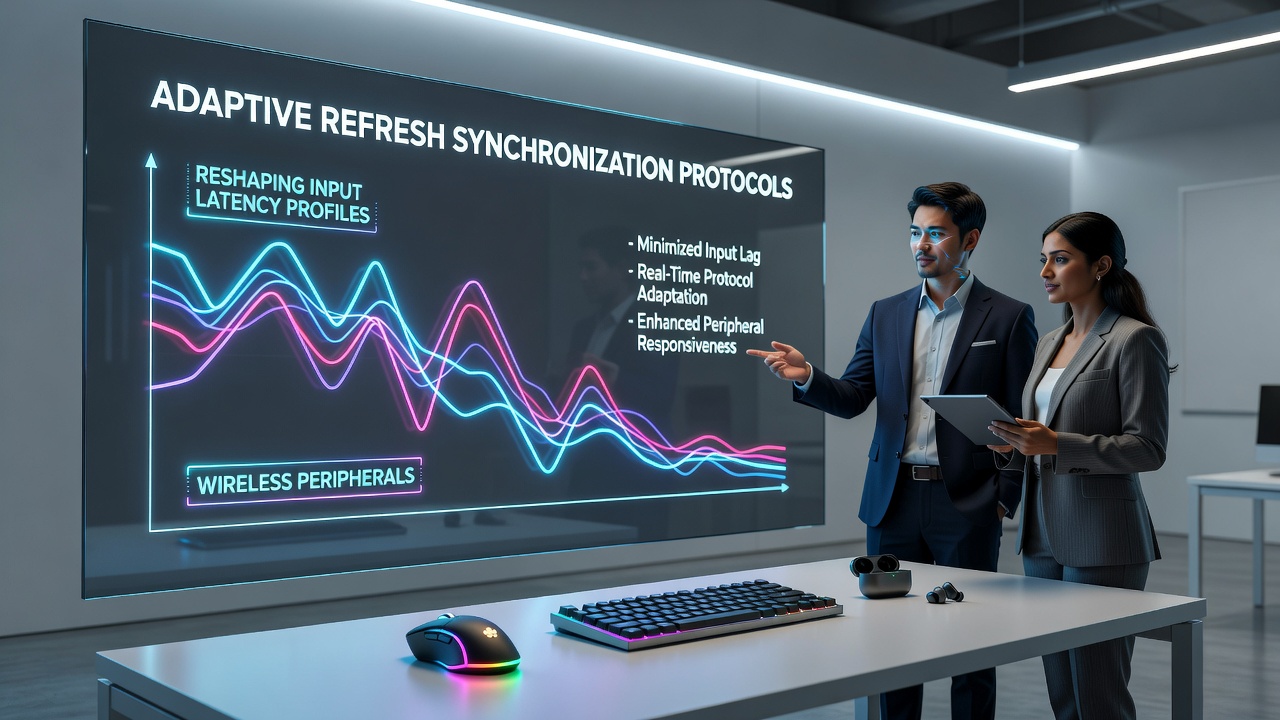
Many current wireless peripherals operate on 2.4 GHz or Bluetooth Low Energy stacks, and adaptive refresh protocols layer additional timing logic atop these stacks without requiring new radio hardware. Firmware developers achieve compatibility by exposing synchronization APIs that game engines can query, and this exposure allows titles to signal upcoming frame boundaries directly to the input stack. Research published through IEEE channels demonstrates that such API integration maintains backward compatibility with legacy devices while delivering the latency benefits to newer synchronized models.
Training facilities have reported that squads practicing with synchronized setups achieve tighter execution windows during rehearsed strategies, because each participant experiences input events at more predictable intervals. The protocols also incorporate fallback modes that revert to constant polling when display refresh information becomes unavailable, and this design choice prevents complete loss of responsiveness during network handoffs or display mode changes.
Measurement and Validation Approaches
Validation of latency improvements relies on high-speed camera capture combined with electrical signal probing at the peripheral level, and these methods produce frame-by-frame timestamps that isolate the contribution of synchronization logic. Independent laboratories in Asia and Australia have replicated earlier findings from North American centers, confirming that the observed reductions hold across different operating systems and wireless chipset generations. Figures released by trade associations tracking esports hardware adoption show rising shipments of devices advertising adaptive synchronization features, with growth concentrated in the professional and semi-professional segments.
Software utilities now expose real-time graphs of synchronization status, and these tools help teams verify that all peripherals maintain lock with the active display before matches begin. When lock is lost, the system logs the duration of any desynchronized periods, and coaches use this data to adjust hardware configurations between rounds.
Conclusion
Adaptive refresh synchronization protocols continue to influence how wireless peripherals handle input timing in team-based competitions, and ongoing standardization efforts suggest further refinements will appear in upcoming firmware releases. Data collected through 2026 indicates consistent latency profile improvements when protocols remain enabled, while measurement frameworks developed by research institutions provide reproducible methods for quantifying those gains across varied hardware combinations.