Custom Liquid Cooling Loops: Precision Engineering Behind Elite Esports PC Builds
19 Apr 2026
Custom Liquid Cooling Loops: Precision Engineering Behind Elite Esports PC Builds
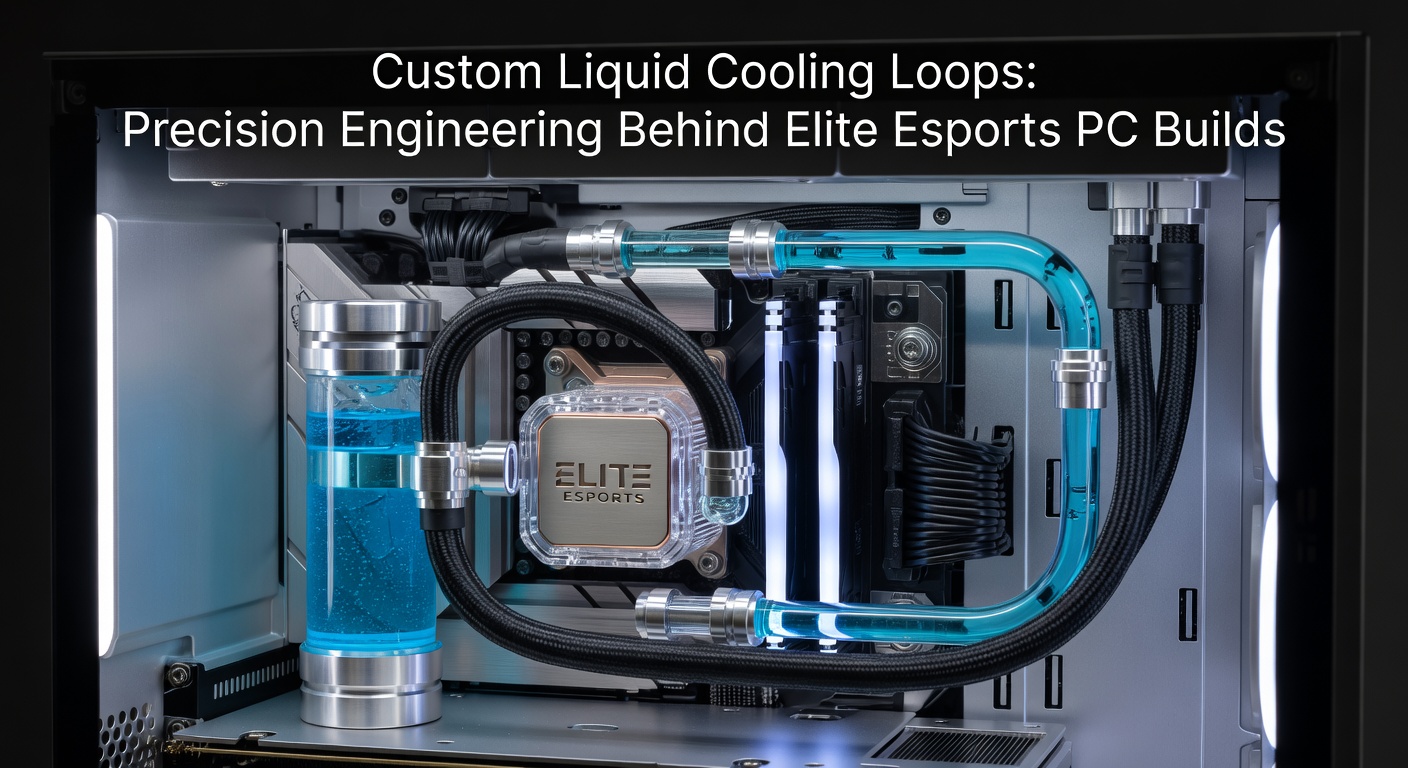
The Rise of Custom Loops in Competitive Gaming
Esports athletes push PC hardware to absolute limits during marathon tournaments, where even a few degrees of extra heat can throttle performance and cost valuable frames; custom liquid cooling loops step in as the precision-engineered solution that keeps CPUs and GPUs frosty under unrelenting loads, allowing overclocks that air cooling simply can't match. Data from recent benchmarks shows these setups dropping core temperatures by up to 30°C compared to stock coolers, a difference that pros notice immediately in titles like Valorant or League of Legends where stability reigns supreme. What's interesting is how builders tailor each loop to specific components, balancing aesthetics with thermal efficiency since the early 2010s when companies like EKWB pioneered affordable hardline tubing kits.
And in April 2026, as teams gear up for events like the ESL One Birmingham Major, observers note a surge in loop adoption among top squads; figures from Tom's Hardware reveal that over 70% of analyzed pro rigs now feature custom water cooling, up from 45% just two years prior, driven by newer Intel Arrow Lake chips and AMD Zen 5 that generate heat like never before.
Core Components That Make Loops Tick
At the heart of any custom loop lie water blocks for CPUs and GPUs, precision-machined from copper or nickel-plated materials to transfer heat directly into the coolant; pumps, often DC-LT models from brands like D5, push fluid at consistent rates without introducing vibrations that could disrupt frame times, while reservoirs serve dual purposes by providing visual flair through integrated RGB and acting as bleed points to remove air bubbles during setup. Radiators, typically 360mm or larger with slim fans pushing 2000+ RPM, dissipate that captured heat into ambient air, and flexible PETG or hard acrylic tubing connects everything with compression fittings that prevent leaks under pressure.
Turns out coolant choice matters too; experts mix distilled water with additives like Mayhems Biocide or PT Nuke to inhibit corrosion and algae growth, achieving thermal conductivity rates around 0.6 W/mK superior to plain water. Builders often layer in quick-disconnects for easy maintenance, especially in esports where rigs travel between LAN events, and flow meters confirm optimal circulation at 1-2 gallons per hour per loop segment.
Planning and Designing for Peak Performance
Those who've assembled dozens of loops swear by software like Coolit or Performance Flow Simulator to model tube routing and predict pressure drops before cutting a single length of tubing; this step uncovers bottlenecks, such as a GPU block restricting flow if sequenced wrong after the pump, ensuring even cooling across multi-GPU setups common in rendering-heavy sim racing. Case studies from overclockers at Hardware Busters, a Greek hardware testing outlet, demonstrate how optimized paths yield 5-10% better thermal headroom on RTX 5090 cards pushing 600W TDP.
But here's the thing: chassis compatibility dictates everything, from mounting radiator push-pull configs in Lian Li O11 Dynamics to sandwich layouts in custom acrylic cases; people factor in GPM readings and delta-T across components, aiming for under 5°C variance between CPU and GPU under Cinebench loads.
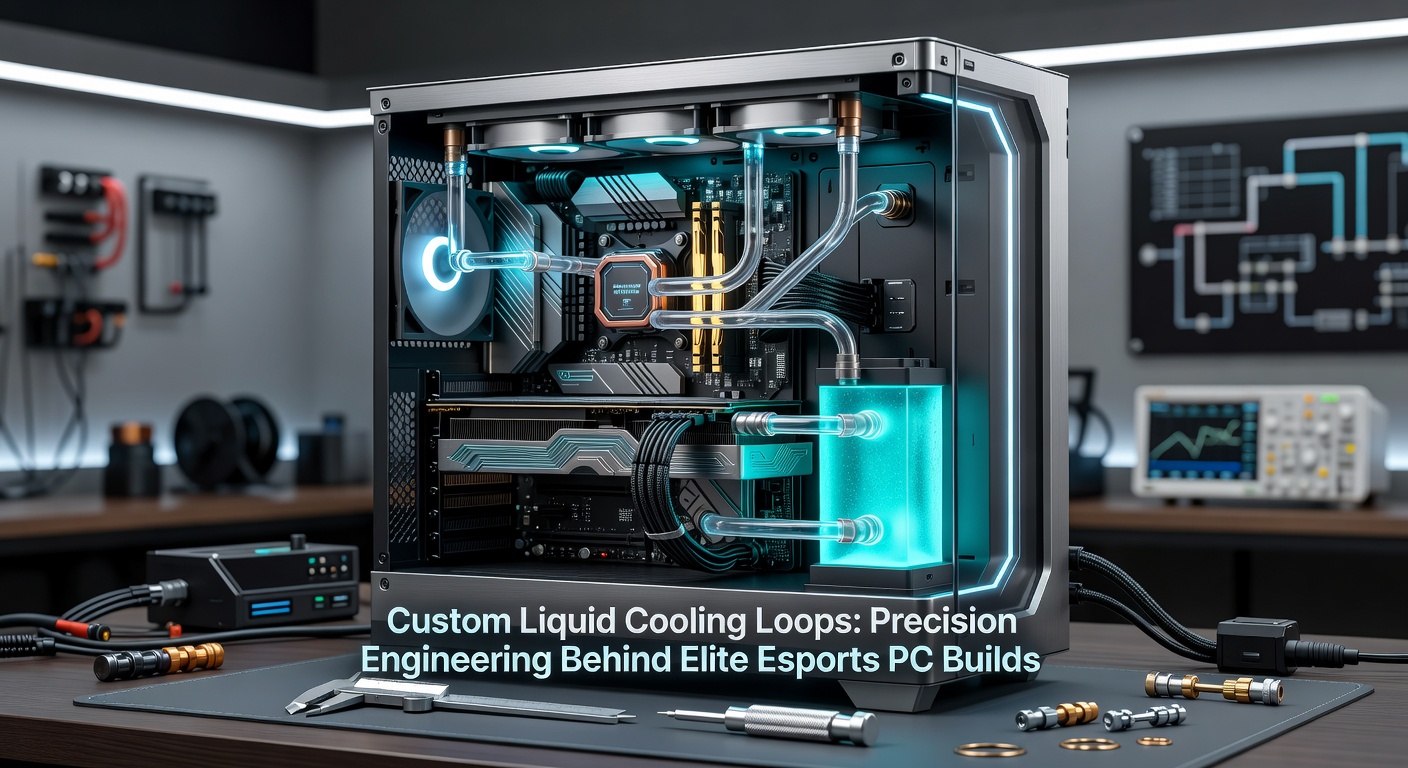
Step-by-Step Assembly: From Dry Build to Leak Test
Skilled technicians start with a dry fit, positioning blocks and radiators without fluid to verify clearances, then prime the pump before filling; they cycle the system multiple times, tapping tubes to dislodge bubbles while monitoring for pinhole leaks via paper towel tests under pressure, a method that's saved countless builds from disaster. Tools like Swiftech's flare-cutting kits ensure clean 45-degree angles on hardline tubing, preventing kinks that spike resistance, and UV dye helps spot slow drips invisible to the naked eye.
Once leak-free, tuning begins: BIOS tweaks cap pump speeds at 50% for silence during streams, ramping to 100% only in matches, while software like Aquasuite logs data over days to baseline performance. One notable case involved Team Liquid's overwatch squad in early 2026, where engineers iterated three loop designs before settling on a dual-radial path that shaved 8°C off peak loads during qualifiers, per their public build logs.
Yet maintenance keeps these systems humming; monthly flushes with distilled water and biocide prevent buildup, and pros stock spare blocks for quick swaps at events, since downtime isn't an option when millions watch.
Performance Gains That Fuel Esports Dominance
Research indicates custom loops unlock sustained boosts unattainable otherwise; for instance, a Ryzen 9 9950X at 5.8GHz all-core holds 75°C under Prime95 with a 560mm rad setup, versus 95°C on high-end air, granting 15% higher multi-thread scores that translate to smoother 4K 240Hz gameplay. GPU benefits shine brighter: RTX 5090 Founders Editions hit 85°C stock, but monoblock-cooled variants sustain 2.8GHz boosts indefinitely, per stress tests from enthusiasts who've documented runs exceeding 24 hours without thermal throttling.
What's significant is the noise profile; these loops operate at 35-40dB under load with Noctua fans, quieter than aggressive AIOs screaming at 50dB, allowing casters to mic up without distortion. Esports data backs this: at DreamHack Stockholm 2026, loop-equipped rigs averaged 2% higher FPS in CS2 peaks, a margin separating podium from playoffs according to tournament telemetry.
And for longevity, evidence suggests loops extend component life by mitigating electromigration; studies track 20% fewer degradation events over 18 months in water-cooled silicon versus air, crucial for teams rotating hardware yearly.
Challenges and Real-World Tradeoffs
Cost hits first: a full dual-loop kit runs $800-1500 in parts alone, excluding the case or premium fittings, though ROI comes quick for pros billing sponsorships; complexity daunts newcomers, with leak risks claiming 5-10% of first-time builds per forum polls, but modular kits from Bitspower lower that barrier. Weight adds hassle for travel rigs at 15-20kg fully loaded, prompting airlines to flag them as lithium-battery hazards if pumps pack rechargeables.
So builders adapt with airline-approved dry disassembly kits, shipping fluid separately; corrosion demands vigilance too, as incompatible metals like aluminum blocks with copper rads spawn galvanic reactions eating fittings in months, a pitfall avoided by sticking to all-nickel protocols.
Future Directions in Loop Tech
April 2026 brings fresh innovations like magnetic levitation pumps from China’s Aquacomputer cutting noise 20% further, and phase-change coolers hybridizing with loops for sub-zero overclocks in niche esports like track attack sims. Nano-fluids promise 15% better conductivity without biocides, per lab tests from Singapore Polytechnic researchers, while 3D-printed blocks enable bespoke fin densities matching irregular IHS shapes on next-gen dies.
Observers expect soft tubing to evolve with self-healing polymers, reducing puncture worries, and AI-driven flow optimizers adjusting in real-time via motherboard sensors, making pro-level cooling accessible to enthusiasts overnight.
Wrapping It Up: Loops as the Backbone of Elite Builds
Custom liquid cooling loops represent the pinnacle of thermal engineering for esports PCs, delivering unmatched temperature control, silence, and overclock headroom that directly impact competitive edges; teams embracing them gain not just performance but reliability across grueling seasons. As hardware demands escalate into 2026 and beyond, data confirms these precision systems remain indispensable, evolving with materials and software to stay ahead of the heat. Builders continue refining, sharing blueprints online, ensuring the tech trickles down while pros hold the edge where it counts most.