7 Aug 2026
Distributed Hobbyist Clusters Recreate Defunct 2000s Online Shooter Lobbies via Custom Server Emulation Stacks
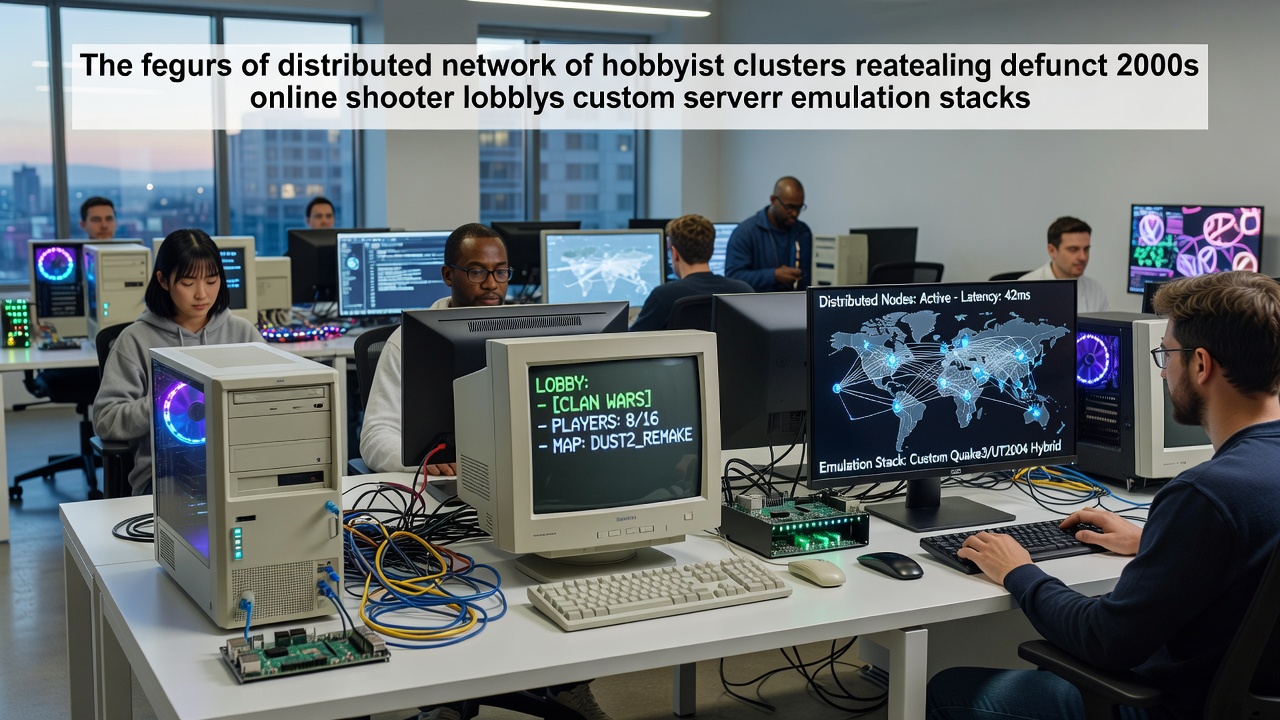
Communities of hobbyists have built distributed clusters that run custom server emulation stacks to restore access to online shooter lobbies from the 2000s, and these efforts focus on titles whose official servers shut down years ago. Projects target games such as early Counter-Strike versions, Battlefield 1942, and original Halo 2 matchmaking systems, where proprietary protocols once handled player connections and session management. Observers note that participants reverse-engineer packet structures and authentication flows to create compatible server software that runs across volunteer-hosted nodes.
Origins of the Emulation Efforts
Official support for many 2000s shooters ended after publishers transitioned to newer platforms or discontinued services like GameSpy, which left millions of accounts without functional multiplayer. Hobbyists responded by documenting network traffic from preserved client binaries and developing open emulation layers that replicate the original lobby discovery and match-joining sequences. Researchers at institutions across Europe and North America have tracked these preservation activities, noting that clusters often span dozens of machines in different geographic regions to reduce latency for players in varied time zones.
Technical Architecture of Distributed Clusters
Each emulation stack operates through modular components that handle authentication, session listing, and in-game state synchronization, while load-balancing algorithms distribute player requests across available nodes. Participants configure virtual private networks and containerized environments to isolate individual game instances, and they use message queues to coordinate state updates between distant servers. Data from preservation groups indicates that these setups achieve connection stability comparable to the original services when node density reaches sufficient levels in key regions. And the approach allows clusters to scale horizontally as more volunteers contribute hardware during peak usage periods such as evenings and weekends.
Key Projects Active as of August 2026
One ongoing initiative focuses on restoring full lobby functionality for the 2003 release of Battlefield 1942, where emulation code recreates the original server browser and team-balancing logic on distributed hardware. Another effort targets Halo 2's original Xbox Live infrastructure through protocol-compatible gateways that route traffic from modern emulated clients to legacy session handlers. Figures from the International Game Developers Association reveal that participation in such projects grew steadily between 2023 and 2026, driven by increased availability of affordable single-board computers suitable for always-on operation.
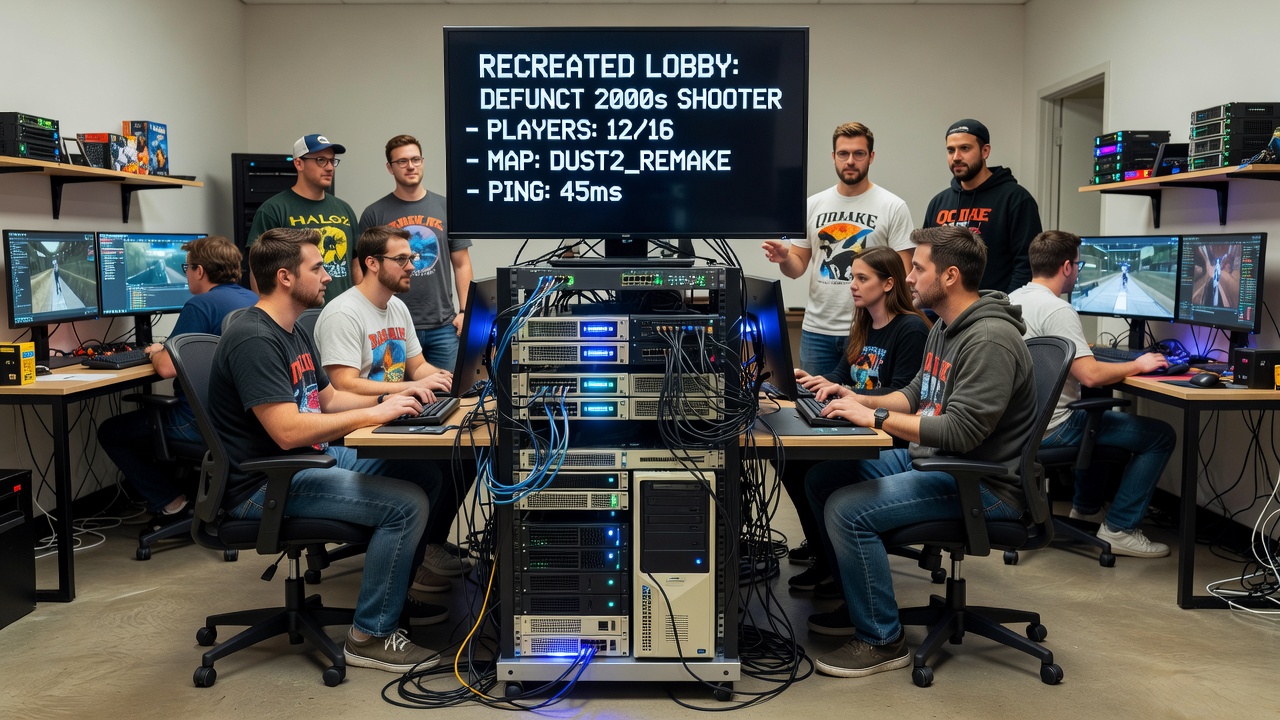
Additional stacks address Counter-Strike 1.6 and Source engine titles that relied on centralized master servers, now replaced by peer-coordinated discovery mechanisms. Volunteers maintain compatibility layers that translate between modern network stacks and the older UDP-based communication patterns, and they publish versioned builds that community members test against archived client executables. Those who've studied these systems know that synchronization of player statistics and persistent profiles requires separate database replication layers running alongside the core emulation processes.
Challenges in Maintaining Authenticity and Performance
Emulation teams must account for timing-sensitive elements such as tick rates and anti-cheat checks that original developers embedded in server binaries, and discrepancies in these areas can cause client disconnections or desync events. Distributed setups introduce additional variables including variable round-trip times between nodes, which developers mitigate through predictive reconciliation algorithms and region-aware matchmaking filters. Reports compiled by the Video Game History Foundation document cases where clusters experienced temporary outages during firmware updates on volunteer hardware, prompting the adoption of redundant failover configurations across multiple continents.
Community Coordination and Resource Sharing
Participants coordinate through dedicated forums and version-control repositories where they share packet captures, configuration templates, and performance benchmarks collected from live sessions. Geographic diversity among node operators helps maintain uptime even when individual contributors experience local power or connectivity issues, and some groups have established informal agreements to prioritize certain game titles during high-demand windows. Studies from Australian digital heritage organizations highlight how these volunteer networks preserve not only gameplay access but also the social structures that once formed around specific servers and clans.
Conclusion
Distributed hobbyist clusters continue to expand their coverage of defunct 2000s shooter lobbies through iterative improvements to emulation stacks and node management practices. These systems rely on coordinated reverse-engineering efforts, shared technical resources, and volunteer infrastructure to sustain multiplayer environments that official providers no longer support. As hardware costs decrease and documentation accumulates, the scope of preserved titles grows while maintaining functional parity with the original network behaviors observed in archived traffic logs.