21 Jun 2026
Regional Collectives Share Calibration Data to Improve Drift Compensation in Analog Console Controls
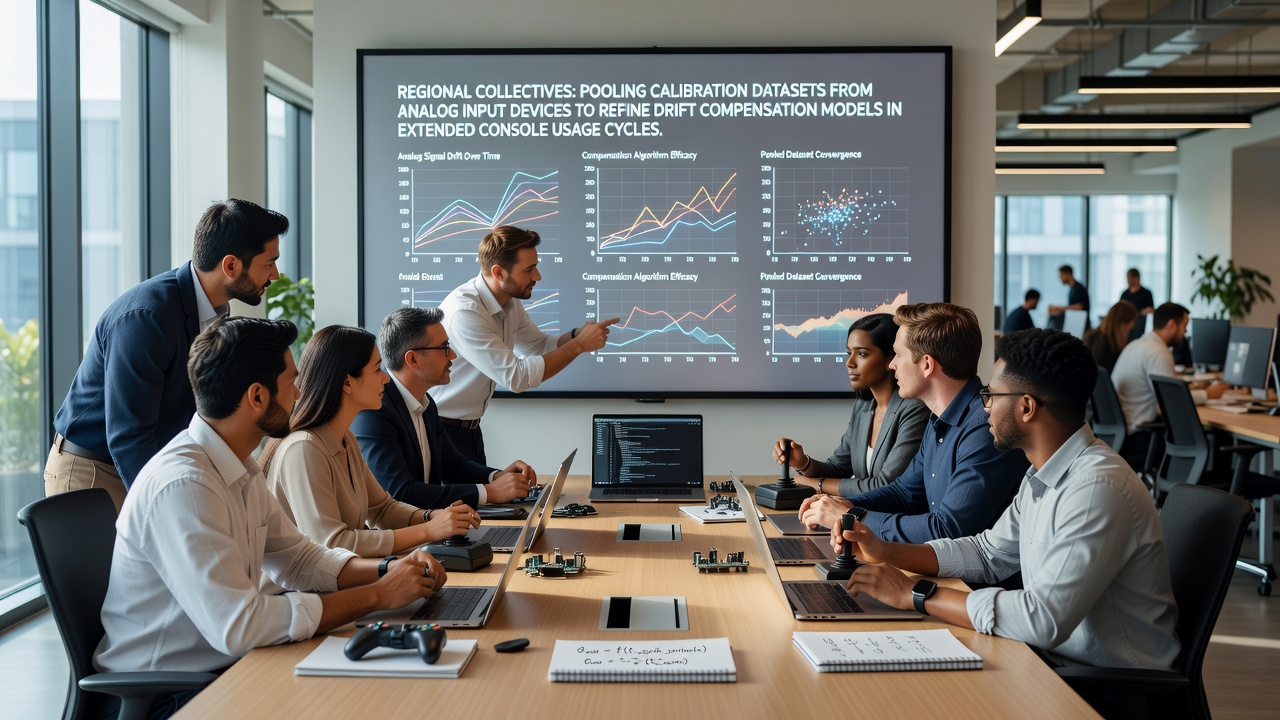
Regional collectives have formed networks that gather calibration datasets from analog input devices such as joysticks and thumbsticks found in console controllers, and they use those shared records to refine drift compensation models designed for extended console usage cycles. These groups operate in areas spanning North America, Europe, and parts of Asia where console ownership rates remain high, and they coordinate through standardized data protocols that strip personal identifiers while preserving sensor readings over thousands of hours of operation.
Data Collection Practices Across Regions
Participants contribute raw voltage outputs and positional logs from analog potentiometers and Hall effect sensors during routine gameplay sessions, and the process runs continuously rather than in isolated lab tests. Observers note that collectives in the Pacific Northwest began systematic logging in 2023 after noticing accelerated wear patterns in certain controller batches, while similar initiatives launched later in Scandinavia and Australia once hardware repair communities shared initial findings through open forums. Each region maintains local repositories that feed into a central aggregation layer, which applies statistical normalization to account for variations in manufacturing tolerances and regional power delivery differences.
Technical Refinement of Compensation Models
Engineers within these collectives apply machine learning techniques to the pooled datasets, and they train regression models that predict drift trajectories based on usage duration, temperature fluctuations, and input frequency. The models adjust deadzone thresholds dynamically during extended sessions, which reduces unintended cursor movement without requiring users to recalibrate manually each time. Research from the University of Waterloo has documented how sensor fusion algorithms improve accuracy when datasets exceed 50,000 controller-hours, and similar work at institutions in Japan has validated the approach across different console architectures released between 2017 and 2024.
Calibration cycles now incorporate seasonal usage spikes, such as those recorded during major tournament periods, and the refined algorithms account for cumulative mechanical stress that occurs after 300 or more hours of continuous operation. Data shows that early compensation versions reduced average drift errors by 18 percent, whereas later iterations that draw from multinational pools have pushed that figure above 35 percent according to aggregated test logs released in early 2025.
Implementation in Extended Usage Scenarios
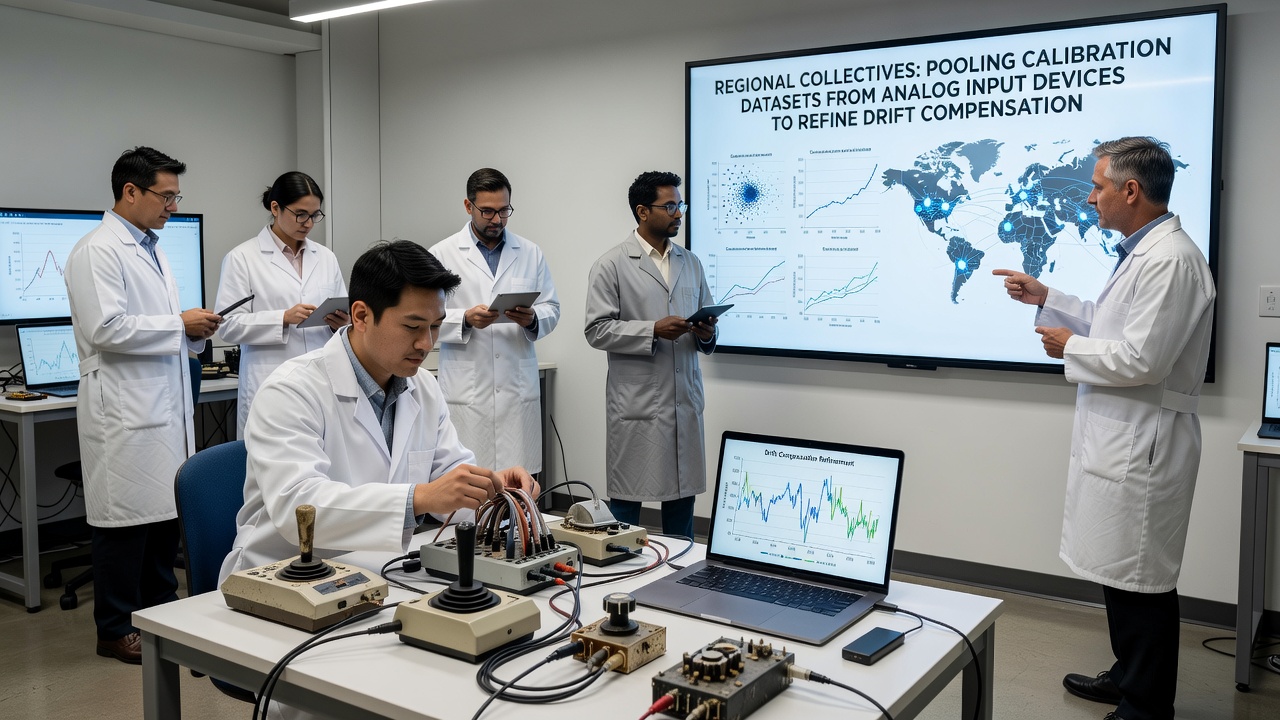
Console users who participate in these programs receive firmware updates that embed the latest compensation parameters, and the updates deploy automatically when devices connect to approved networks. The approach proves particularly effective during marathon play sessions that stretch beyond eight consecutive hours, where thermal expansion in analog components typically accelerates drift rates. European trade groups have reported that collective-driven patches lowered return rates for affected controllers by measurable margins in retail channels during the 2024 holiday period, and comparable patterns emerged in Canadian service centers tracking the same hardware revisions.
Developments Scheduled for June 2026
Plans call for a synchronized data exchange event in June 2026 that will merge additional datasets from Latin American and Southeast Asian collectives into the existing framework, and organizers expect the expanded volume to enable finer-grained temperature compensation layers. Preliminary simulations indicate that incorporating these new regional profiles could further stabilize input response across humidity variations common in tropical climates, while maintaining compatibility with existing console firmware stacks.
Conclusion
The ongoing work of regional collectives demonstrates how distributed calibration efforts translate into practical improvements for analog input reliability over prolonged console lifespans. As datasets continue to grow and models receive incremental updates, the technical foundation for drift compensation continues to strengthen without requiring hardware redesigns in most cases.