3 Jun 2026
Retro Computing Clubs Engineer Custom Adapters to Bridge Classic Peripherals with Modern Esports Training Platforms
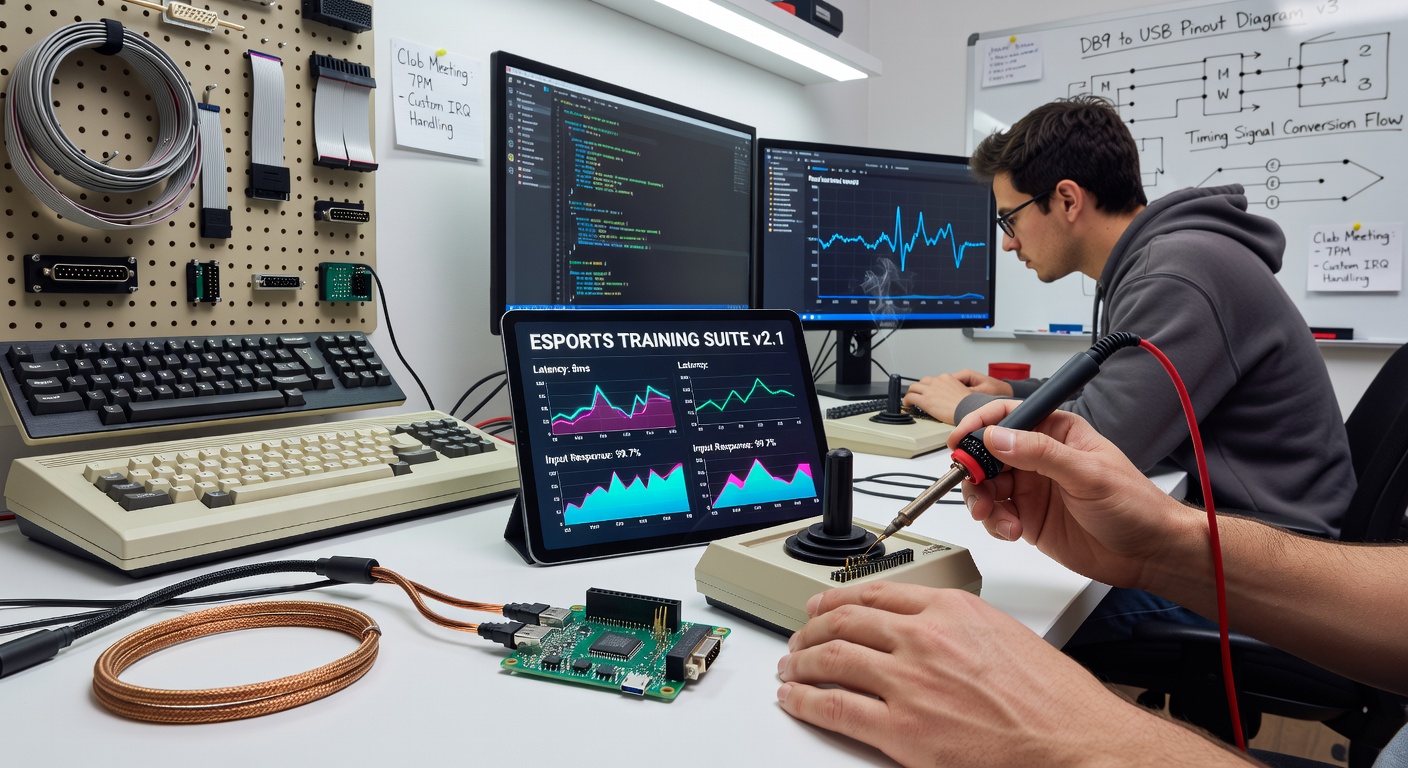 Retro computing clubs have expanded their focus in recent years to include hardware interfaces that connect vintage input devices with contemporary esports training applications, and this work has accelerated through 2025 into June 2026. Members identify legacy peripherals such as 1980s joysticks, mechanical keyboards from the 1990s, and early trackballs, then design adapters that translate their signals into formats recognized by current simulation platforms used for aim training and strategy drills. These projects rely on open documentation of legacy protocols combined with microcontroller boards to maintain signal fidelity while meeting the timing requirements of modern software. Engineers within these clubs begin by mapping the electrical characteristics of older connectors including DE-9 serial ports and early USB variants, then create intermediary circuits that convert analog or digital outputs into USB HID or direct input streams. Data from club repositories indicates that adapter designs often incorporate level shifters and optocouplers to prevent voltage mismatches, while firmware handles debounce routines originally developed for arcade hardware. Observers note that such adaptations allow users to retain tactile feedback from mechanical switches that differ from contemporary membrane or optical sensors, which in turn supports repetitive practice sessions focused on consistent input registration.
Technical Methods Behind Adapter Development
Clubs document their processes through shared repositories that detail pinouts, timing diagrams, and calibration routines specific to each peripheral type. Researchers at technical institutions have examined similar interface projects and found that custom firmware can achieve sub-millisecond translation delays when optimized for particular microcontrollers, according to reports from the IEEE Computer Society. Teams test prototypes against esports applications by logging input events and comparing them against native device baselines, adjusting resistor networks or adding capacitors where signal noise appears.
One approach involves repurposing existing development boards to emulate multiple legacy device classes simultaneously, allowing a single adapter to switch between joystick emulation and keyboard matrix scanning. Members coordinate through regional meetups to divide tasks, with some specializing in hardware layout while others refine firmware for compatibility across operating system updates released through mid-2026.
Club Projects and Integration Examples
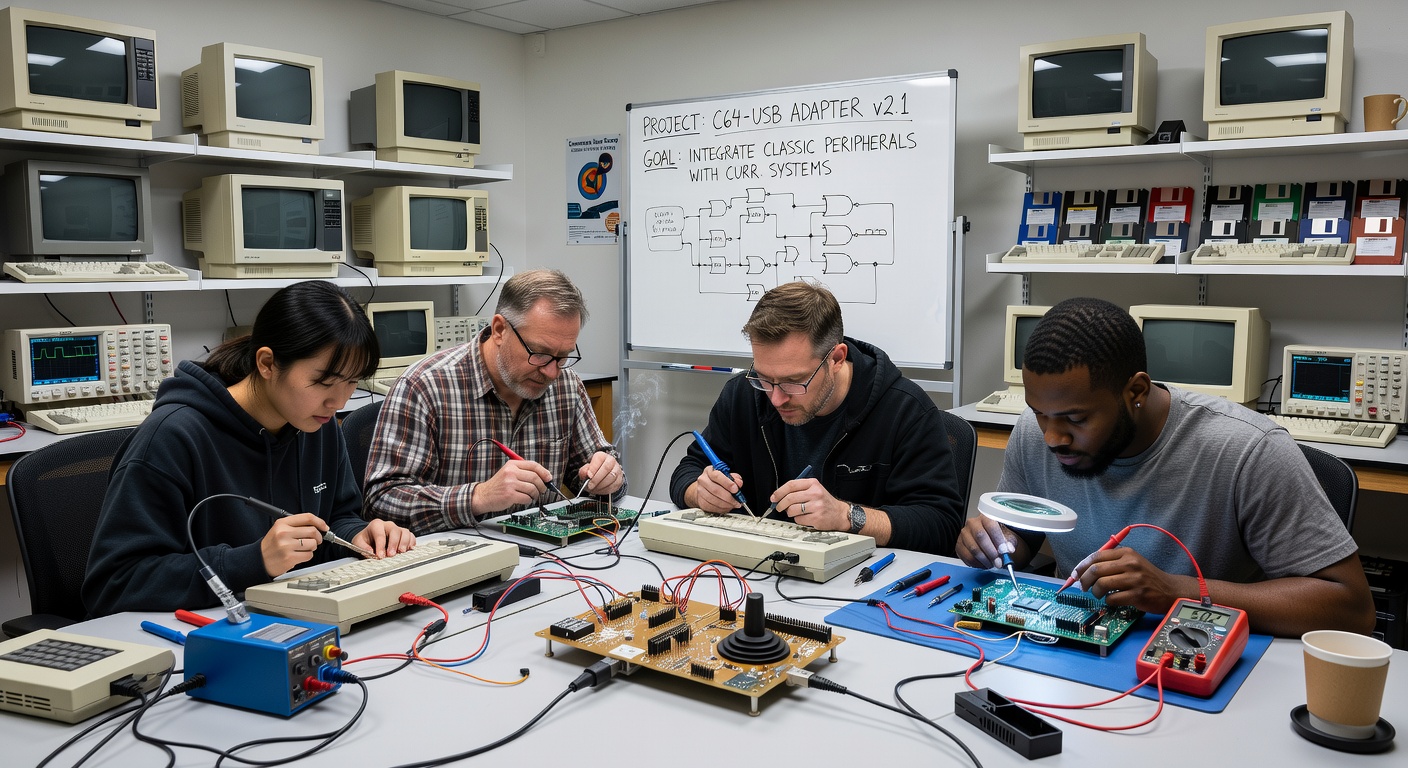
Groups in North America and Europe have produced working prototypes that feed data from discontinued trackballs into aim-trainer applications, preserving the physical ball rotation mechanics while mapping cursor movement to screen coordinates used in competitive scenarios. Australian retro societies have contributed designs that incorporate optical isolation for older parallel-port devices, reducing interference when multiple peripherals operate on the same training station. These efforts draw on archived manufacturer specifications and reverse-engineering sessions conducted at club workshops.
Integration testing occurs in controlled environments where participants run standardized drills that measure reaction consistency across sessions. Figures from university engineering programs in Canada show that adapted legacy devices can maintain input registration rates comparable to native hardware when adapter firmware accounts for polling rate differences. Clubs publish schematics under open licenses, enabling additional groups to replicate and iterate on the initial designs without starting from scratch.
Training Applications and Compatibility Considerations
Esports preparation software now accepts input from these adapted peripherals through plugin modules or configuration files that clubs maintain alongside their hardware projects. The process allows trainees to alternate between modern controllers and vintage mechanisms during the same session, creating varied practice conditions that emphasize different muscle memory patterns. Data compiled by European gaming research networks indicates steady growth in adapter usage within training facilities since 2024, particularly for drills involving precision timing.
Compatibility updates released in early 2026 addressed changes in USB descriptor handling within newer operating systems, prompting clubs to revise their firmware accordingly. Members track these developments through mailing lists and collaborative documents, ensuring adapters remain functional as platform requirements evolve. External validation comes from partnerships with hardware documentation projects that supply reference materials for obscure connector types.
Conclusion
Retro computing clubs continue to refine adapter designs that link historical peripherals with esports training ecosystems, supported by shared technical resources and ongoing firmware maintenance. These activities connect preservation efforts with practical applications in competitive preparation environments. As of June 2026, the documented projects demonstrate measurable progress in signal translation accuracy and cross-platform support, with contributions from multiple geographic regions informing the collective knowledge base. Further developments will likely build on existing circuit templates and calibration methods already established within the community.